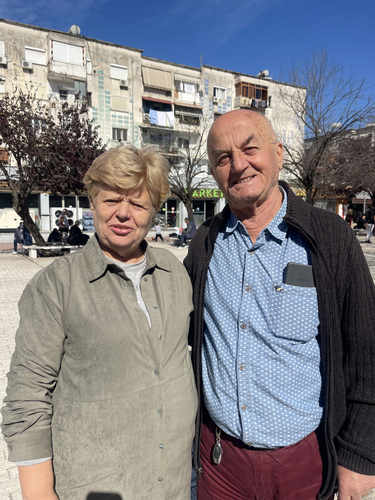
Support CHURCH PLANT - Albania - Alexi and Violeta Xhoga!
Country: Albania
Region: Xhamlliku, Tirana
Population: 70,000
Church Planter: Alexi and Violeta Xhoga
Alexi and Violeta Xhoga’s journey with Jesus Christ began in September 1988, during Albania’s communist era, when two Christian women from Sweden gave them four Bibles and four Christian music cassettes. Although they did not know Christ at the time, God used this unexpected encounter to touch their hearts and begin transforming their lives. As their faith grew, they felt a clear calling to serve the Lord, proclaim His Word, and lead others to salvation through Jesus Christ. To prepare for this calling, they completed approximately three years of Bible college training in Durrës, Albania, around the year 2000. Since then, they have faithfully served through preaching, discipleship, pastoral ministry, and bringing believers together in Christian fellowship. They now believe God is leading them to strengthen and expand their ministry in Xhamlliku, Tirana, through Upper Room Tirana and Calvary Chapel. Their vision is to establish a strong, Gospel-centered church where individuals and families can gather for worship, prayer, biblical teaching, and discipleship while reaching those who do not yet know Christ. Through financial support, they hope to provide essential ministry resources, expand community outreach, equip future Christian leaders, and establish a lasting Christian community that will share the love of Jesus Christ throughout Tirana.
Country Information:
Albania is predominantly a muslim nation. Christian church comprise only about 20% of the nations religions. The local church serve a crucial role in providing spiritual guidance, community support, and social services to the Christian population in the country. As a minority religion in Albania, Christians often face challenges in practicing their faith openly, making the presence of churches vital for maintaining their religious identity and fostering a sense of belonging. These churches not only offer a space for worship and prayer but also serve as centers for education, healthcare, and humanitarian aid, particularly in remote and marginalized areas where government resources may be limited. Furthermore, Christian churches promote interfaith dialogue and understanding, contributing to the overall diversity and harmony of Albania's religious landscape. In a nation marked by religious plurality, the existence of Christian churches underscores the importance of tolerance, acceptance, and freedom of religion for all citizens.